The Great Miscalculation
How Trump and Putin Got Stuck in the Same Mud
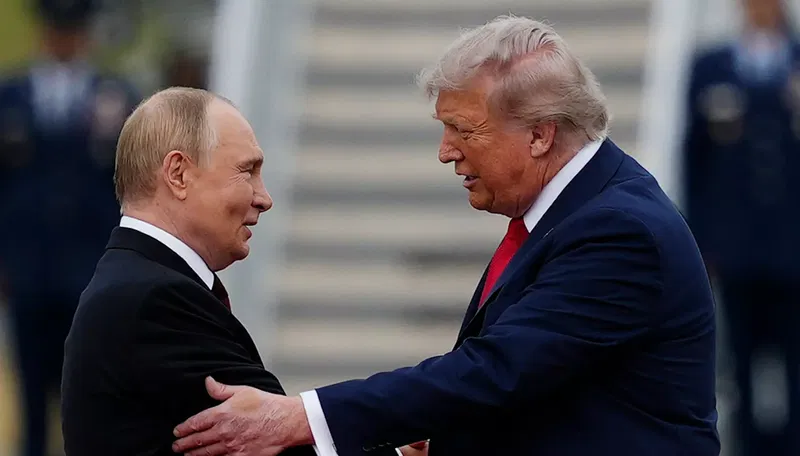

History is full of leaders who thought they could reshape the world with a single, decisive blow. Today, we are watching two modern giants—Donald Trump and Vladimir Putin—grapple with the same ancient lesson: it’s easy to start a war, but nearly impossible to predict how it ends.
While the war in Ukraine has dragged on for four years and the conflict in Iran is only weeks old, they are mirror images of the same dangerous gamble. Both leaders walked into these conflicts expecting a quick "win," only to find themselves sinking into a strategic swamp.
The Echo Chamber Effect: When "Yes-Men" Run the War Room
The biggest similarity between the campaigns in Moscow and Washington isn't the weaponry; it’s the intelligence failures. Both leaders have built "courts" where loyalty is valued over truth.
Putin’s Blunder: In 2022, Russian intelligence drank its own Kool-Aid, believing Russian-speaking Ukrainians would welcome invaders with open arms. They didn't.
Trump’s Blind Spot: Since 1979, the U.S. has lacked boots-on-the-ground intelligence in Iran. Relying on "gunboat diplomacy," Trump expected a few weeks of heavy bombing to force a "deal" or a regime collapse. Instead, it backfired.
When you surround yourself with people who only tell you what you want to hear, the first casualty is always reality.
Unintended Consequences: Strengthening the Enemy
Both leaders aimed for "regime change" or "neutralization," but the results have been the exact opposite of what they intended.
GoalReality in UkraineReality in IranStrategyA lightning strike to take Kyiv.Targeted strikes to force a "New Deal."OutcomeA consolidated, Western-backed Ukraine.A hardline military dictatorship led by the Revolutionary Guard.Current StatusA four-year war of attrition.Iran controls the Strait of Hormuz, choking global oil.
Export to Sheets
Instead of a weakened Iran, the world now faces a consolidated military regime that holds the keys to the global economy. This isn't "winning"—it's a brutal consequence of overconfidence.
The Risk of the "Regime Change" Backfire
The irony of these wars is that they may eventually change the regimes of the aggressors rather than the targets.
For Putin: If the war stops without a clear victory, the Russian public may finally ask: What was the point of all this sacrifice?
For Trump: A prolonged conflict means skyrocketing oil prices and the threat of a ground war. With mid-term elections looming, a "forever war" in the Middle East could be the beginning of the end for the Trump era.
A World Out of Balance
We are witnessing more than just two localized conflicts. We are seeing a fundamental shift in the global order. When the world's most powerful leaders act on hubris—the belief that they are beyond the reach of failure—the entire global economy pays the price.
From the wheat fields of Ukraine to the oil tankers in the Persian Gulf, the world is now holding its breath, waiting to see if these two leaders can find an exit ramp before the "mud" swallows everything.
Do you think the global economic impact of the Iran conflict will eventually force a diplomatic "deal," or has the window for negotiation already closed?: How Trump and Putin Got Stuck in the Same Mud
History is full of leaders who thought they could reshape the world with a single, decisive blow. Today, we are watching two modern giants—Donald Trump and Vladimir Putin—grapple with the same ancient lesson: it’s easy to start a war, but nearly impossible to predict how it ends.
While the war in Ukraine has dragged on for four years and the conflict in Iran is only weeks old, they are mirror images of the same dangerous gamble. Both leaders walked into these conflicts expecting a quick "win," only to find themselves sinking into a strategic swamp.
The Echo Chamber Effect: When "Yes-Men" Run the War Room
The biggest similarity between the campaigns in Moscow and Washington isn't the weaponry; it’s the intelligence failures. Both leaders have built "courts" where loyalty is valued over truth.
Putin’s Blunder: In 2022, Russian intelligence drank its own Kool-Aid, believing Russian-speaking Ukrainians would welcome invaders with open arms. They didn't.
Trump’s Blind Spot: Since 1979, the U.S. has lacked boots-on-the-ground intelligence in Iran. Relying on "gunboat diplomacy," Trump expected a few weeks of heavy bombing to force a "deal" or a regime collapse. Instead, it backfired.
When you surround yourself with people who only tell you what you want to hear, the first casualty is always reality.
Unintended Consequences: Strengthening the Enemy
Both leaders aimed for "regime change" or "neutralization," but the results have been the exact opposite of what they intended.
GoalReality in UkraineReality in IranStrategyA lightning strike to take Kyiv.Targeted strikes to force a "New Deal."OutcomeA consolidated, Western-backed Ukraine.A hardline military dictatorship led by the Revolutionary Guard.Current StatusA four-year war of attrition.Iran controls the Strait of Hormuz, choking global oil.
Export to Sheets
Instead of a weakened Iran, the world now faces a consolidated military regime that holds the keys to the global economy. This isn't "winning"—it's a brutal consequence of overconfidence.
The Risk of the "Regime Change" Backfire
The irony of these wars is that they may eventually change the regimes of the aggressors rather than the targets.
For Putin: If the war stops without a clear victory, the Russian public may finally ask: What was the point of all this sacrifice?
For Trump: A prolonged conflict means skyrocketing oil prices and the threat of a ground war. With mid-term elections looming, a "forever war" in the Middle East could be the beginning of the end for the Trump era.
A World Out of Balance
We are witnessing more than just two localized conflicts. We are seeing a fundamental shift in the global order. When the world's most powerful leaders act on hubris—the belief that they are beyond the reach of failure—the entire global economy pays the price.
From the wheat fields of Ukraine to the oil tankers in the Persian Gulf, the world is now holding its breath, waiting to see if these two leaders can find an exit ramp before the "mud" swallows everything.
Do you think the global economic impact of the Iran conflict will eventually force a diplomatic "deal," or has the window for negotiation already closed?
Ps: This article is a rewritten summary of publicly reported news, written in my own words
Comments
No comments yet. Be the first to comment!